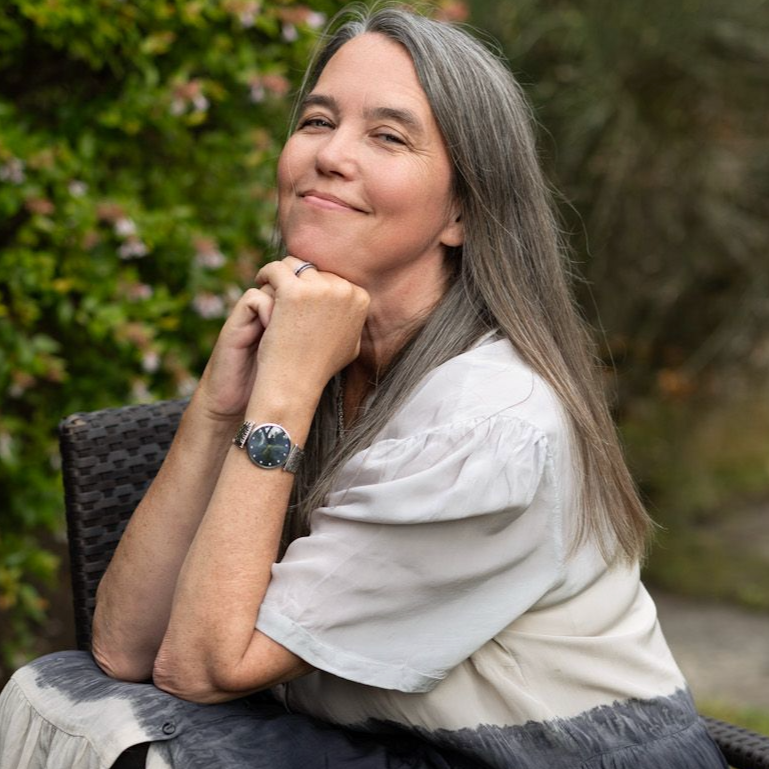
Jody Day
World Childless Week Ambassador
When I was growing up, I had an Aunt and Uncle who were more reserved than my mother’s other brothers, and more glamorous too.
They travelled a lot both for my Uncle’s engineering work in the RAF (Royal Air Force), and for leisure. The gifts they brought back, or gave me for birthdays and Christmases, were thoughtful, and quite unlike anything others grown-ups gave me. Although I didn’t get to see them very often, I always loved it when I did, as they had time for me in a way that made me feel special.
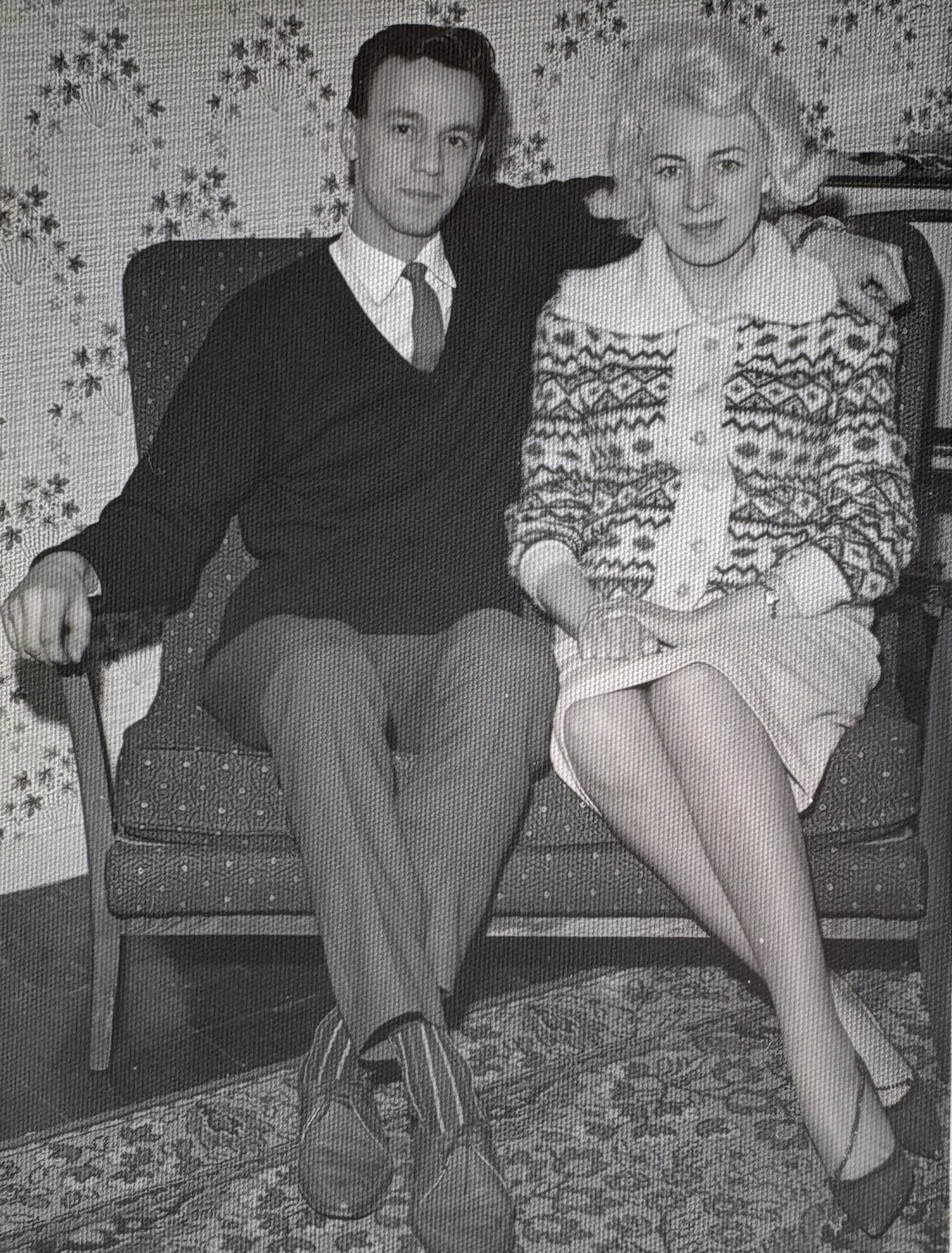
It wasn’t until I began to unpack my childless grief at midlife, and long after the family I’d grown up in had blown apart, that I understood that their tenderness towards me probably had something to do with their childlessness; early in their marriage they’d lost a pregnancy, and had been advised that another one might be fatal for my Aunt. My memories of their kindness took on a new significance.
A few years later, and now in my early fifties and gratefully on the other side of my deep years of mourning, I saw them at a once-in-a-lifetime family reunion organised by my mother. I gave them a copy of my book Living the Life Unexpected, in which I mention the impact they had on me as a child, but I don’t know if they ever read it. At the lunch party, I noticed that they seemed quite unbothered by their childlessness amongst this big intergenerational gathering, even though my Aunt and I were the only childless women there. I later came to realise that once again they were role modelling for me how it really can be possible to come out the other side of childlessness and live a full and happy life.
However, more than a decade after my divorce, I was the only single and childless woman there, including amongst my cousins, and even the children of my cousins, and that difference was heavy to bear, and so I was one of the first to leave. As the lunch took place near to the village where I’d gone to school until I was ten, I drove to the lane where we’d once lived, and was horrified to see that the massive oak tree that had been my stalwart childhood companion had been cut down to a stump; I sat in my car and cried, partly for the little girl who’d found nature safer than humans, but also for this beautiful being, cut down in his prime - he too didn’t get to have descendants.
Last year, having travelled to England for one of my cousin’s funerals, I made a special effort to visit my Uncle and Aunt. Now in their eighties, their home is full of mementoes of their travels and photos of extended family and friends. Their life has been full, and their marriage is obviously still a happy one. They talked about my mother, who’d died the year before, and perhaps felt more able to be frank about my childhood now she was dead; I was deeply touched to understand how hard it had been for them to witness the neglect I’d experienced. Although they didn’t say it, having had heartbreaking moments of grief myself witnessing children being treated poorly by their parents, I imagined how it might have been for them, this gentle and kind childless couple.
However, the topic of our shared experience of childlessness remains off-limits. If I talk about my own, or ask them questions about theirs, either the subject is changed, or it’s closed down with a ‘Well, you just had to get on with things,’ which is typical of their English generation. My Uncle and his next youngest brother were evacuated from London as children during World War Two, and when the war was over, their mother had a new partner and didn’t want them back, and so they were placed in children’s homes and foster care. Growing up myself, the biggest threat that hung over my own head if I misbehaved was, ‘we’ll put you in a home’. Trauma like that passes down the generations.
I’m a psychotherapist, so I’ve done a lot of therapy around my wounding, and my mother and I made peace with each other in the final months of her life before she died from dementia. As her personality fragmented, the aggressive, defensive parts of her melted away, and I met the softer, more tender person underneath - remnants of the little girl she had probably been before her own childhood had armoured her, and which made it so hard for her to show me kindness and care.
I don’t know who I would have been without my childlessness - not just had I been a mother. And I’m not convinced, all these years later, that I would have been a very good mother anyway - not just because I carry the unconscious imprint of who knows how many generations of unmothered daughters, but also because I’m an HSP (highly sensitive person) and am easily overwhelmed by social situations and environmental stimulus; I now suspect my mother was too. There’s a reason I spent as much time as possible when young up a tree!
Coming to that realisation has softened any judgments I might still have left towards my own mother who, at eighteen, had a child ‘out of wedlock’ when my equally young father scarpered. To be an unmarried mother was a shameful thing in the 1960s, and helps to explain why she felt compelled into a marriage with a deeply unpleasant man when I was three. With the benefits of education and the liberation of seventies feminism, I left school in the early 1980s with the belief that I could do whatever I wanted with my life, as long as I worked hard enough. It’s a classic GenX, shoulder-to-the-wheel social contract that no longer holds true for younger generations in our currently unravelling world, but it’s one that my mother instilled in me, and which worked at the time. The professional world had been closed to her as a smart but poorly educated working-class woman and a reluctant stay-at-home mother, and so she expected me to embrace the opportunities she’d never had, even though she found applauding any of my successes very hard.
Now I’m in my early sixties and have been partnered very happily for the last decade, I watch with joy as a new generation arrives for others. Three of my ‘nieces by love not blood’ (through my ex-husband’s family), and now my partner’s youngest stepson, have all had babies recently. I am thrilled to say that the healing of my childless grief has gone so deep into my soul that I can open my heart towards them without having to pay a debt of grief later. I also have a niece I’m very close to who has chosen to be childfree - a choice she first understood was a possibility through coming to a talk I gave when she was just sixteen: ‘You mean I don’t have to have children?’ she asked me afterwards.
My midlife childless grief demanded everything of me; there was no aspect of my personality, relationships, behaviours or belief systems that didn’t need to be examined. My childless grief picked me clean right down to my bones and changed me so profoundly that I believe it altered the course of my life in more ways than simply making peace with my childlessness. It took me right back to the little girl in the tree, the one who questioned what it was to be human, what it meant to belong, whether I deserved to be loved. And underneath all the drama, all the stories, all the anguish, through the explorations of my childless grief I uncovered a core of pure beingness which gave me the strength to rebuild my life as a single, childless, midlife woman, and to rebuild it on surer foundations.
My childlessness may have taken my children from me, but it gave me back to myself. Maybe that’s what happened with my Aunt too, but I don’t think I’ll ever know for sure. And that’s one of the reasons why I continue to write about childlessness, and to continue to create resources and to advocate for us, even though, in truth, I no longer need to do so for myself. It’s because each of our stories is both unique and has elements of the universal, and unless we get to hear each other’s stories and find the sparks of our own within them, every healing journey is a solo one. And I don’t want that for us, or for the generation of childless women coming up behind us, the ones that could have been our daughters.