(part one)
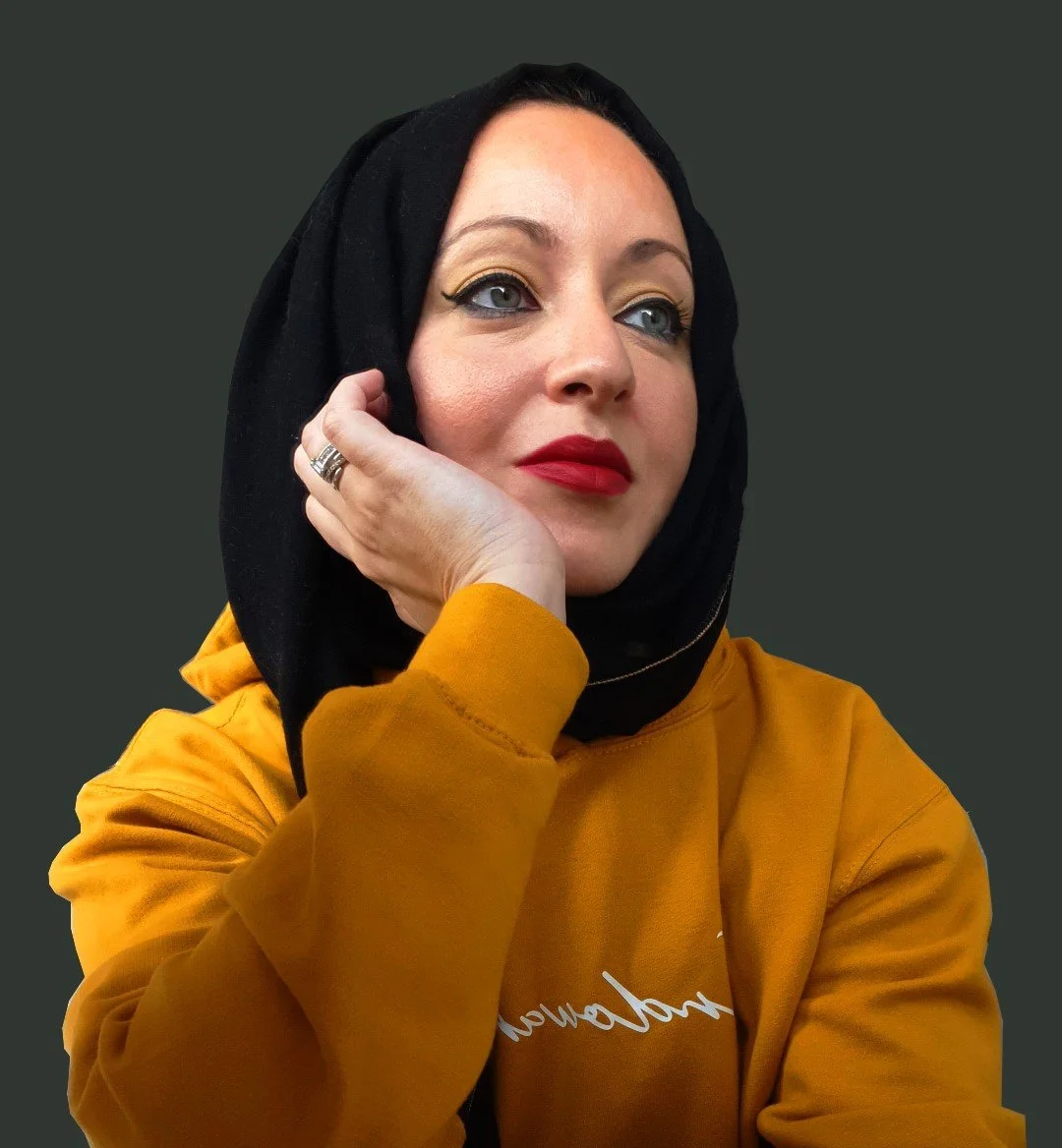
Aisha Balesaria
World Childless Week Ambassador
How many IVF success stories have you heard? About a million, right? Or that’s what it can feel like. I’ve lost count how many ‘miracle baby’ posts I’ve seen on social media in the last ten years, but I can count on one hand (as there are so few) how many included stories like mine – those without a baby after IVF.
Never did I think IVF would be part of my story
Unbeknown to me, the issues at the root of my fertility struggles started way before I’d even thought about becoming a mum. During my teenage years, I experienced dreadful pain during menstruation – pain so bad, I wanted to give up! It was only when I couldn’t conceive naturally that my pain was finally taken seriously by doctors. I was diagnosed with stage four endometriosis, and before I knew it, I was in the thick of IVF.
The next ten years were dominated by surgeries to remove endometriosis, more than 11 unsuccessful IVF cycles, and the anguish of four miscarriages. After everything I went through, everything my body endured, and all the heartache I experienced, I left the process without a baby.
’Just Do IVF’
People say, “just do IVF” all the time, but they don’t understand the huge implications associated with the treatment. Blood works, invasive scans, surgery and injections are only some of the things you have to endure during the process. The constant knock backs and disappointments over the ten-year period I tried to conceive really took their toll on me, and I began to question everything when IVF kept failing. What did I do wrong? Did I eat something I shouldn’t have? Did I take the medication correctly? It was soul destroying!
On top of that, I was constantly exposed to triggers, from insensitive questions about when I was going to get pregnant, to pregnancy announcements and baby bumps. While I was genuinely happy for other people’s good news, I was left quietly wondering, when will it be my turn?
What Others Really Need to Know About IVF
IVF doesn’t guarantee a baby, and the outcome definitely isn’t determined by the effort you put in. I wish more people understood that IVF isn’t a cure for infertility, and that treatment only gives you a chance of becoming pregnant.
Perhaps if clinics, fertility specialists and the media spoke more truthfully about the realities of IVF success rates, I would have had realistic expectations from the start about the possible outcome. I would have realised that severe, deep-infiltrated endometriosis and adenomyosis would greatly decrease my chances of success.
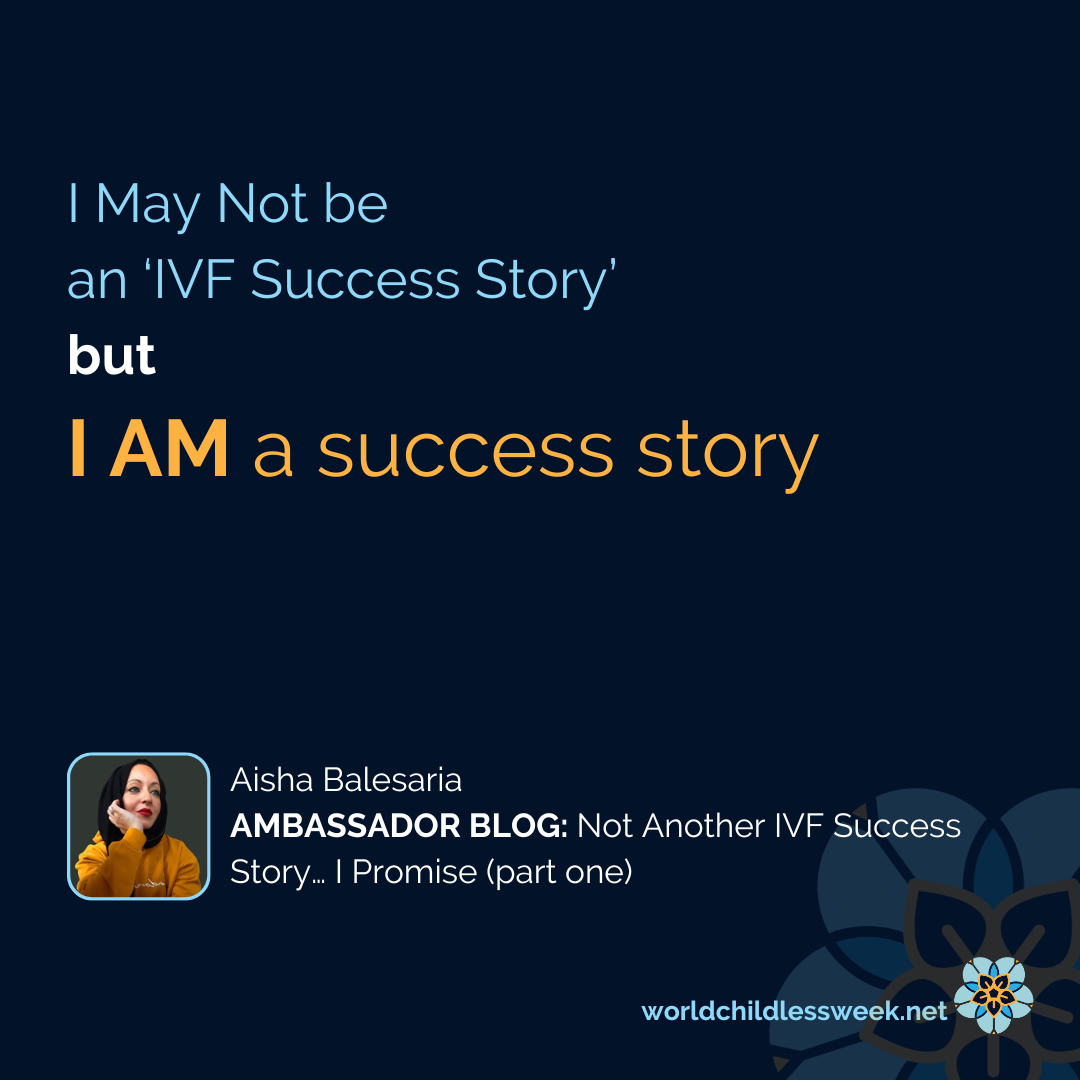
I May Not be an ‘IVF Success Story’, but I AM a success story
There were several reasons why I stopped fertility treatment, but the main reason was the impact that the medication was having on my mental health. As the years went on, the hormone treatments became increasingly intense, and the effect on my mental health was devastating. In the final three years of trying to conceive, I was at my lowest point. My physical health deteriorated dramatically. Endometriosis had spread further around my body, and I began bleeding rectally. After two subsequent surgeries, I was also diagnosed with adenomyosis. I began to wonder how feasible it was to keep undergoing IVF given how widespread my conditions were.
No matter what I tried - from freezing my eggs at a young age, to genetically screening my embryos, nothing worked!
Stopping is NOT ‘giving up’!
Those who have never endured years of IVF treatment often cannot fully comprehend the depth of its impact. After ten-years withstanding the emotional and physical toll, financial strain, and heartbreak of numerous failed cycles and embryo losses, I knew my journey towards motherhood was coming to an end. Immediately after the loss of my fourth baby I chose to put myself first, and stop IVF.
The sense of peace and relief I felt after making the decision to stop IVF told me everything I needed to know. I had reached my limit, and although I felt a complex mix of emotions – including grief – I knew that I had made the right decision.
Seven years on from IVF treatment, and my story may not look like a traditional triumph, but I consider myself a ‘success story’, - (more in a future blog, part 2).
A Mic-Drop Media Moment
Representation Matters:
The media tends to amplify stories of celebrities who’ve undergone treatment and ended up with a ‘miracle baby’. This take has erased our non-parent voices from the IVF narrative for far too long.
When Jennifer Aniston’s article came out in Allure Magazine, it shone a much-needed light on the other side of IVF – the stories of those in the fertility trenches, for whom IVF hadn’t worked. Although Jennifer said she eventually chose to navigate her life without children, I anticipated the inevitable ‘quick fix’ comments which flooded social media in response to her article – “Why didn’t she just adopt?” What I really wanted to scream from the rooftops was that adoption isn’t a simple solution to childlessness, nor is it a replacement for the child you didn’t have. It’s a complex, deeply personal journey that deserves to be understood on its own merits.
A reassuring take from the interview was that Jennifer’s life is still one of great happiness and fulfilment, even though it doesn’t include a child or partner.
We Need to See More Relatable Stories
Many of us are living proof that an ‘IVF miracle’ is not the whole story. I hope this blog shifts this narrative by offering a more balanced and truthful account of what IVF can really look like for so many people – including the reality that IVF won’t always end with a baby. That being said, a full, meaningful, and a deeply fulfilling life can exist alongside – and beyond the outcome of unsuccessful IVF.